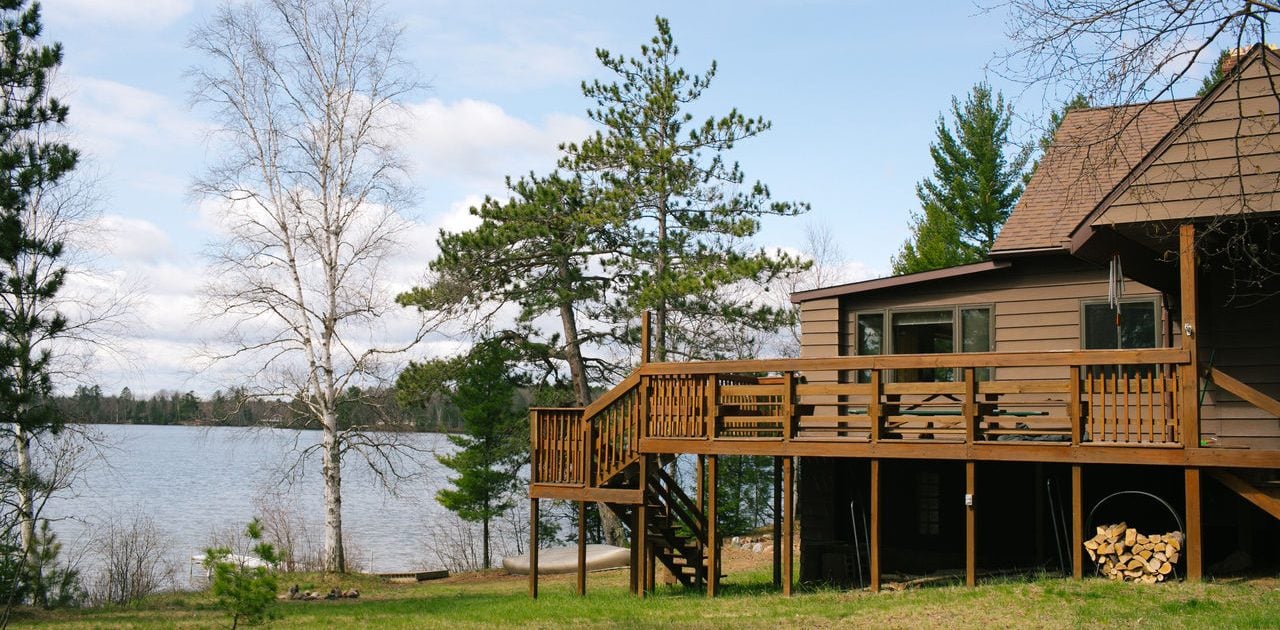
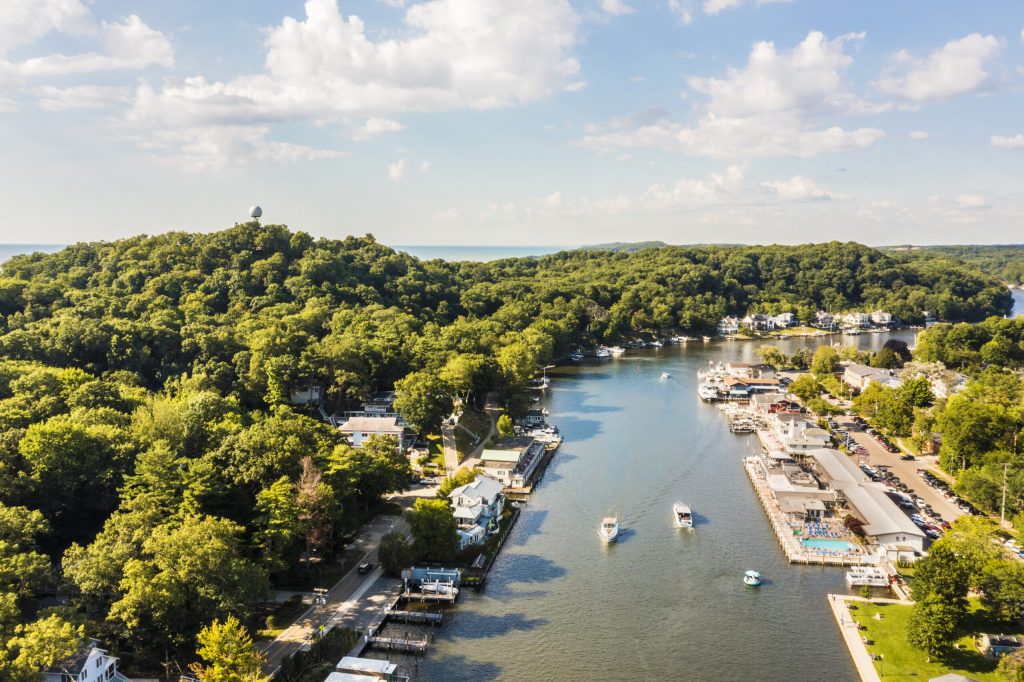
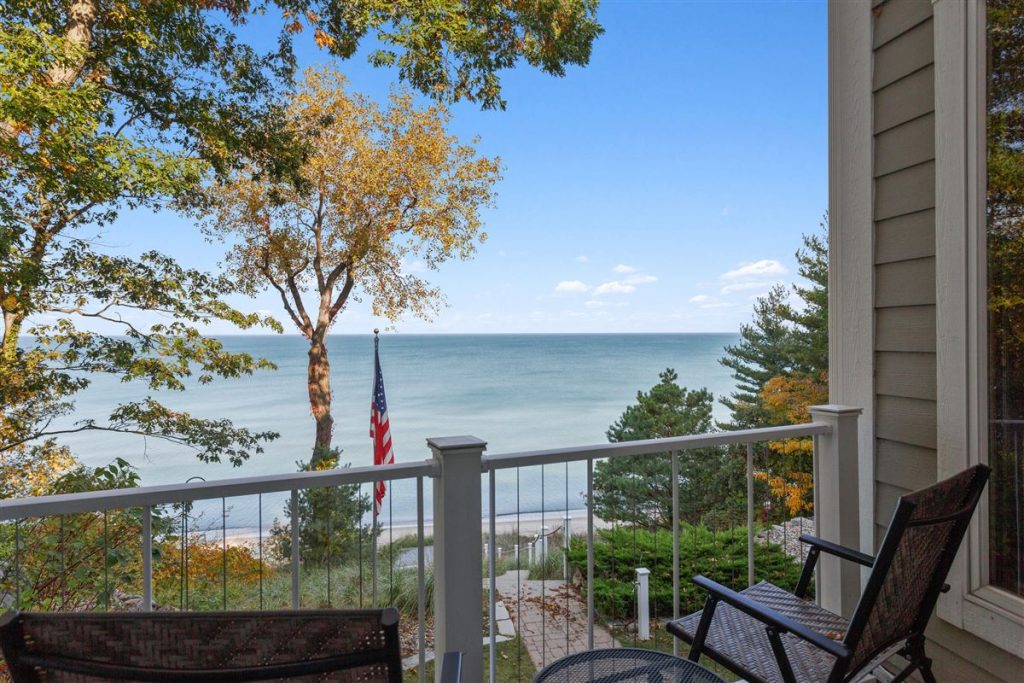
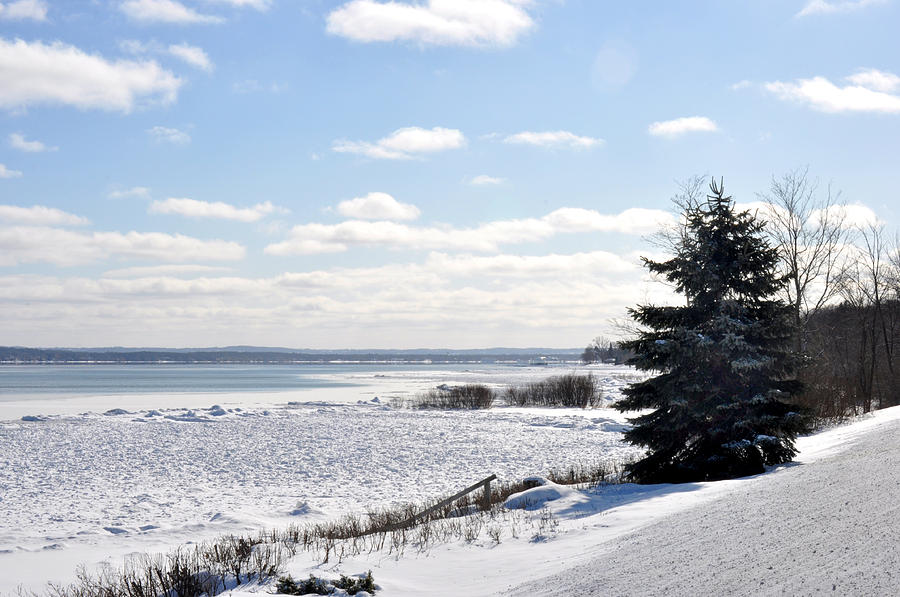
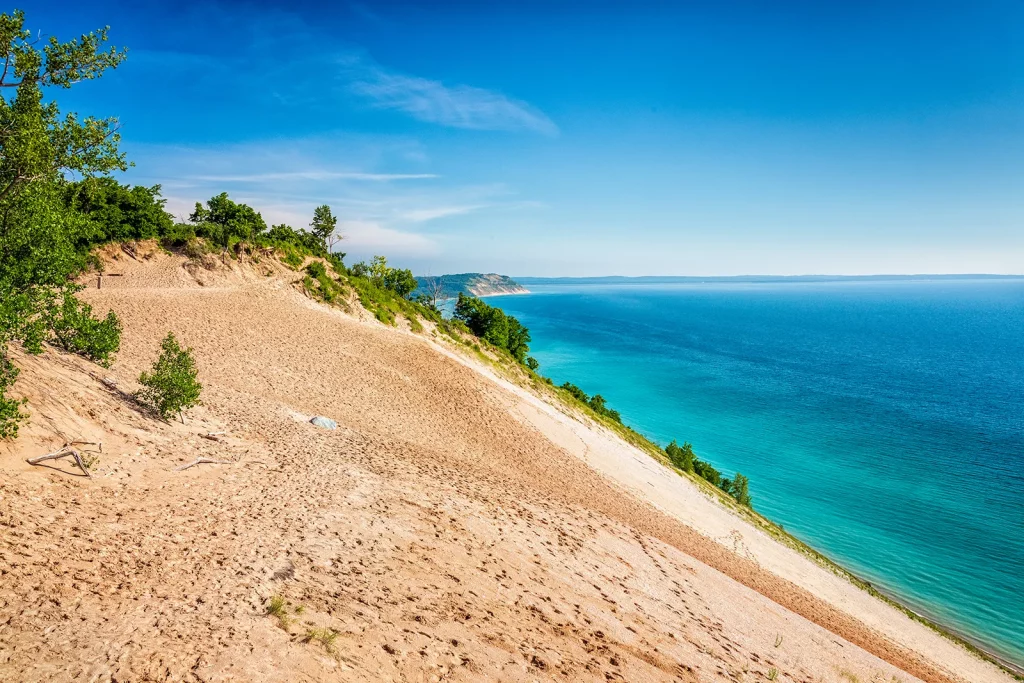
There’s something undeniably special about Michigan summers—cool breezes, charming towns, and those long, golden-hour evenings you wish would never end. If you’re thinking about turning your favorite getaway spot into a permanent escape, buying a vacation home might be one of the best decisions you’ll make. But like any big investment, it takes careful planning. Here are 10 essential tips to help you buy smart, avoid common pitfalls, and make the most of your retreat.
1. Pick Your Perfect Region For Your Vacation Home
Michigan is home to a wide range of vacation destinations, each offering its own vibe. Whether you’re drawn to the wine trails and beaches of Traverse City, the artsy charm of Saugatuck, the crystal-clear waters of Torch Lake, or the peace and quiet of the Upper Peninsula, take the time to explore. Visit during different times of the year—not just peak summer—to get a feel for the town, weather, and traffic.
🍩Sweet Tip:Make buying a vacation home fun and take a week vacation to visit different cities. Airbnb can make renting a home in your interested cities easy.
2. Understand Lake Access
Just because a home is near the water doesn’t mean you’ll have easy or private access to it. Many properties advertise “lake access” but that might mean a shared path, distant beach lot, or even limited seasonal access. Make sure you understand exactly what kind of rights you’re getting—private frontage, deeded access, or public access—and how it could affect your day-to-day summer experience and property value.
🍩Sweet Tip:Ask neighbors nearby how often they use their access and if it ever gets crowded—you’ll get the real story, not just the listing spinagents listing provide when for those buying a vacation home.
3. Check for Seasonal Property Rules
Some homes in Michigan, especially in more remote or rural areas, are designated as “seasonal,” meaning they may not be suitable or accessible during the winter months. Roads might not be plowed, or utilities like water and heat may be turned off or limited. Also, be aware of HOA restrictions or township regulations—especially if you’re considering renovations, renting, or bringing large groups.
4. Consider Long-Term Resale Value
Even if you plan to keep this home in the family for generations, it’s smart to consider the long-term value of your investment. Look for areas with growing tourism, strong school districts, or infrastructure improvements like new restaurants, marinas, or retail. These signals often lead to increased demand and appreciation. A home that gives you years of joy and grows in value? That’s the sweet spot.
🍩Sweet Tip:Ask your agent for comps from five years ago—if the area has appreciated steadily, you’re likely on the right track.
5. Buy A Vacation Home By Budgeting for All Seasons
Buying a vacation home means you’re responsible for it year-round, even if you only visit a few months out of the year. Think beyond the mortgage—factor in utilities, property taxes, insurance, lawn care, and snow removal. You’ll also want to winterize your home each year to avoid frozen pipes or storm damage. These “hidden” costs can catch buyers off guard if they’re not planned for up front. Don’t know where to start looking for an affordable vacation home? Take a look at these 5 affordable vacation destinations!
6. Don’t Buy A Vacation Home Without Factoring in Travel Time
The further away your vacation home is, the less likely you’ll use it regularly. A beautiful lakefront cabin won’t do you much good if it’s a seven-hour drive and feels like a burden to reach. Aim for a location that fits comfortably into your weekend or long-weekend routine. If you’re flying, consider proximity to regional airports and local transportation as well.
🍩Sweet Tip:Set a drive-time limit (e.g., 3.5 hours or less) and stick to it—you’ll be surprised how much more you use your home when it’s easy to reach.
7. Inspect for Weather Wear
Michigan’s weather can be tough—humid summers, snow-heavy winters, and lakeside storms can wear down a property over time. Before buying, schedule a thorough inspection with someone familiar with Michigan’s seasonal issues. Make sure they look for roof damage, foundation settling, drainage issues, mold, and any needed shoreline protection. Spending a little more now on a quality inspection can save you thousands in repairs down the line.
8. Think Rental Potential
If you’re not planning to use your vacation home every week, short-term rentals can be a great way to generate extra income. Look into local regulations—some Michigan towns have banned or restricted Airbnb-style rentals, while others require permits or occupancy limits. Also research seasonal demand and comparable listings to see what you could realistically earn during peak summer months. Even a few weeks of rentals could help offset annual costs. Take a look at some Airbnb tips.
🍩Sweet Tip: When buying a vacation home invest in tasteful furnishings and cozy touches—vacationers will pay more for homes that feel welcoming and photo-worthy.
9. Check Internet and Utilities
Remote and lakeside living often means trade-offs in infrastructure. Cell service can be spotty, internet may be limited to slower satellite providers, and some properties rely on wells and septic tanks. If you plan to work remotely, stream TV, or run smart-home devices, double-check what services are available and whether any upgrades are possible.
10. Fall in Love With the Town Too
A summer home isn’t just about the structure—it’s about the entire experience. Explore the local community, from restaurants and farmers markets to hiking trails and festivals. Make sure the pace of life, the culture, and the people align with how you want to spend your summers. If you can picture yourself enjoying more than just the porch or the beach, you’ve likely found the right place.
🍩Sweet Tip:If the town makes you smile on a rainy day, it’ll bring you joy all summer long.
The Last Bite
At Good Donut Realty, we help buyers find the perfect mix of lifestyle, location, and long-term value—with a sprinkle of fun along the way. Whether you’re buying your vacation home for as a cozy lakeside cottage or a modern retreat near your favorite Up North town, we’ll make the process smooth, strategic, and just a bit sweeter.Just follow our steps and we’ll make it easy.
Book Your Appointment Today With A Top Real Estate Agent Near You
Ready to make a move? Book an appointment and let’s chat—no pressure, just honest guidance to make your next move smooth, smart, and a little bit sweeter.
vacation home real estate, seasonal home buying tips, summer home buying tips
8.1 Explore Local Amenities and Attractions
When buying a vacation home, it's essential to consider the local amenities and attractions that enhance your experience. Look for nearby parks, restaurants, shopping areas, and recreational activities that cater to your interests and lifestyle. Proximity to these amenities can significantly enhance your enjoyment and convenience during your stays.
For example, if you love outdoor activities, seek homes near hiking trails, beaches, or golf courses. If you enjoy cultural experiences, consider properties close to art galleries, theaters, or local festivals. Understanding what the area offers can help you choose a vacation home that aligns with your lifestyle preferences.
8.2 Understand Property Management Options
If you plan to rent out your vacation home when you're not using it, understanding property management options is crucial. This includes evaluating local property management companies and their services, such as marketing your property, handling bookings, and maintaining the home. A reliable property manager can help maximize your rental income and minimize stress.
Consider the costs associated with property management and how they fit into your overall budget. Research reviews and testimonials to find a reputable company that aligns with your expectations. Having a solid management strategy in place can ensure your investment remains profitable while you enjoy your vacation home.
8.3 Assess the Community and Neighborhood
The community and neighborhood surrounding your vacation home play a significant role in your overall experience. Take the time to explore the area, meet neighbors, and understand the community vibe. A friendly and welcoming neighborhood can enhance your enjoyment and provide a sense of belonging during your visits.
Look for community events, social clubs, or local organizations that align with your interests. Engaging with the community can lead to lasting friendships and a more fulfilling vacation experience. Additionally, a well-established community can contribute to the long-term value of your property.
8.4 Evaluate Future Development Plans
Before purchasing a vacation home, it's wise to investigate future development plans in the area. This includes potential infrastructure improvements, new commercial projects, or zoning changes that could impact property values and your overall experience. Being aware of upcoming developments can help you make an informed decision about your investment.
For instance, if a new resort or shopping center is planned nearby, it may enhance the area's appeal and increase property values. Conversely, if there are plans for industrial development, it could negatively affect your enjoyment and the property's long-term value. Researching local government websites or speaking with real estate professionals can provide valuable insights.
vacation home real estate, seasonal home buying tips, summer home buying tips
8.1 Explore Local Amenities and Attractions
When buying a vacation home, it's essential to consider the local amenities and attractions that enhance your experience. Look for nearby parks, restaurants, shopping areas, and recreational activities that cater to your interests and lifestyle. Proximity to these amenities can significantly enhance your enjoyment and convenience during your stays.
For example, if you love outdoor activities, seek homes near hiking trails, beaches, or golf courses. If you enjoy cultural experiences, consider properties close to art galleries, theaters, or local festivals. Understanding what the area offers can help you choose a vacation home that aligns with your lifestyle preferences.
8.2 Understand Property Management Options
If you plan to rent out your vacation home when you're not using it, understanding property management options is crucial. This includes evaluating local property management companies and their services, such as marketing your property, handling bookings, and maintaining the home. A reliable property manager can help maximize your rental income and minimize stress.
Consider the costs associated with property management and how they fit into your overall budget. Research reviews and testimonials to find a reputable company that aligns with your expectations. Having a solid management strategy in place can ensure your investment remains profitable while you enjoy your vacation home.
8.3 Assess the Community and Neighborhood
The community and neighborhood surrounding your vacation home play a significant role in your overall experience. Take the time to explore the area, meet neighbors, and understand the community vibe. A friendly and welcoming neighborhood can enhance your enjoyment and provide a sense of belonging during your visits.
Look for community events, social clubs, or local organizations that align with your interests. Engaging with the community can lead to lasting friendships and a more fulfilling vacation experience. Additionally, a well-established community can contribute to the long-term value of your property.
8.4 Evaluate Future Development Plans
Before purchasing a vacation home, it's wise to investigate future development plans in the area. This includes potential infrastructure improvements, new commercial projects, or zoning changes that could impact property values and your overall experience. Being aware of upcoming developments can help you make an informed decision about your investment.
For instance, if a new resort or shopping center is planned nearby, it may enhance the area's appeal and increase property values. Conversely, if there are plans for industrial development, it could negatively affect your enjoyment and the property's long-term value. Researching local government websites or speaking with real estate professionals can provide valuable insights.